Guide
Preparing for knee surgery: tests, medicines, fasting and your home
Quick answer
Getting ready for knee surgery means completing your pre-operative tests, reviewing every medicine with the team, especially blood thinners, following the anaesthetist's fasting instructions exactly, setting up your home and strengthening the leg beforehand, advises Dr. Pablo Gelber, orthopaedic knee surgeon at Aman Hospital in Doha, Qatar.
Start planning a few weeks ahead
Good preparation makes the day of surgery calmer and the first weeks at home safer. Once a date is agreed, think about time off work, who will drive you to and from Aman Hospital, and who can stay with you for the first days. Many patients in Qatar try to avoid the hottest summer weeks or plan around Ramadan, travel and family events, so raise any timing concerns early.
Write down your questions as they come to you: how long you are likely to stay, when you can shower, drive or return to work, and what the recovery usually involves for your operation. The answers depend on the operation and on you, so ask rather than rely on a friend's experience.
Pre-operative tests
Before an anaesthetic, the team checks that you are fit for the operation. What you need depends on your age, your health and the size of the operation.
- Blood tests, often a blood count and kidney function, plus blood sugar or HbA1c if you have diabetes, and clotting tests when relevant.
- An ECG, a heart tracing, for older patients or those with heart conditions or high blood pressure.
- A chest X-ray or other tests only if your history suggests a need.
- Up-to-date knee imaging, so bring any previous X-rays, MRI scans and reports.
- A pre-anaesthetic assessment, where the anaesthetist asks about your health, previous anaesthetics, allergies and sleep apnoea.
If a test shows something new, such as high blood sugar or anaemia, it may be treated first. Sometimes that means moving the date, which is a safety step rather than a setback.
Your medicines and blood thinners
Bring a complete list of everything you take, including doses, herbal products and supplements. Never stop a prescribed medicine on your own unless the team has told you to.
Blood thinners need a clear plan. Warfarin, apixaban, rivaroxaban, dabigatran, clopidogrel and aspirin are each handled differently, and the right timing depends on why you take them. Someone with a heart stent or a recent clot may be at real risk if the medicine is stopped without advice, so your surgeon, anaesthetist and the doctor who prescribes it agree the plan together.
Diabetes tablets and insulin are often adjusted on the day because you will be fasting. Some anti-inflammatory painkillers, hormone treatments and certain supplements may also be paused. Tell the team about any allergies, especially to antibiotics, plasters or latex.
Fasting before anaesthesia
An empty stomach lowers the risk of stomach contents reaching the lungs during anaesthesia. Follow the exact times your anaesthetist gives you, because they depend on your operation time and your health. A common pattern is no food for about six hours before surgery and clear fluids such as water until about two hours before, but your own instructions come first.
Avoid chewing gum and smoking on the morning of surgery, and take only the medicines you were told to take with a small sip of water. If surgery falls during Ramadan, discuss the timing and the medical fasting instructions with the team. Questions about how the religious fast relates to medicines or surgery can be discussed with a scholar.
Setting up your home
For the first weeks you may be on crutches with a stiff, swollen knee. A little preparation helps.
- Clear walkways and remove loose rugs, cables and clutter that could trip you.
- Arrange a bedroom on the ground floor if stairs are difficult.
- Choose a firm chair with arms that is not too low, and keep a footstool for elevating the leg.
- Consider a shower chair, a raised toilet seat or a grab rail.
- Stock ice packs or a cold therapy wrap, simple meals and water within easy reach.
- Keep a chair available if you may need to pray seated for a while.
- Make sure the room you rest in stays cool, especially in the Qatar summer.
Prehab: getting the leg ready
Strengthening the knee before surgery, often called prehab, can make the first weeks easier. Patients who go into surgery with a straight knee, good thigh muscle control and less swelling often find early rehabilitation smoother.
Useful exercises usually include thigh tightening, straight leg raises, gentle bending and straightening, and cycling or water exercise if your knee allows it. A physiotherapist can tailor them to your injury. It also helps to practise using crutches before the operation, to stop smoking, to keep blood sugar well controlled and to stay as active as your knee permits.
Frequently asked questions
Should I stop my aspirin before knee surgery?
Not on your own. Whether aspirin is paused depends on why you take it. After a heart stent, for example, it is often continued. Your surgeon and the prescribing doctor will give you a specific plan.
Can I drink water on the morning of my operation?
Often yes, up to a set time, but follow the anaesthetist's instructions exactly. If you are unsure, call the hospital rather than guess.
What if I get a cold or fever before surgery?
Tell the team before the day. A fever, chest infection, skin infection or wound near the knee can make it safer to postpone the operation.
Do I really need to stop smoking?
Stopping, even a few weeks before, usually helps wound healing and lowers the risk of chest and anaesthetic problems. Ask about support if you find it hard.
What should I pack for the hospital?
Your ID, medicine list and medicines in their boxes, previous scans, loose comfortable clothes or shorts, flat shoes with a back, a phone charger and your crutches if you already have them.
Related
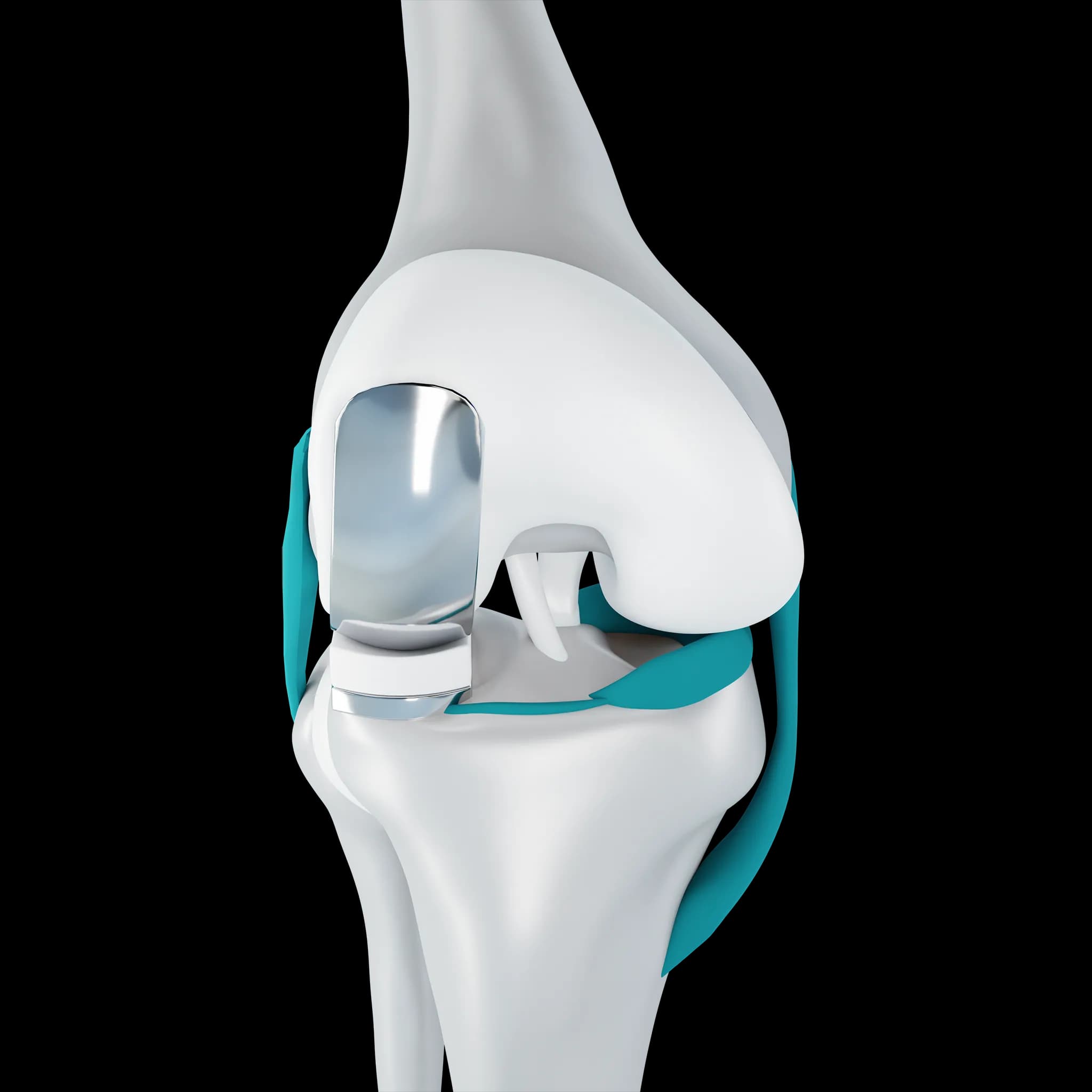 Patient questionHow should I prepare for knee replacement surgery?
- Patient questionWhat tests are done before a knee replacement?
 Patient questionShould I do physiotherapy before my knee surgery?
- GuideAnaesthesia for knee surgery: spinal, general and nerve blocks
- GuideThe day of your knee surgery and your hospital stay