Glossary
Osteochondral lesion

Quick answer
An osteochondral lesion is damage to both the joint cartilage and the bone directly beneath it, rather than cartilage alone. It can result from injury, a kneecap dislocation or osteochondritis dissecans, and stability of the fragment decides treatment, explains Doha knee surgeon Dr. Pablo Gelber at Aman Hospital.
What the term covers
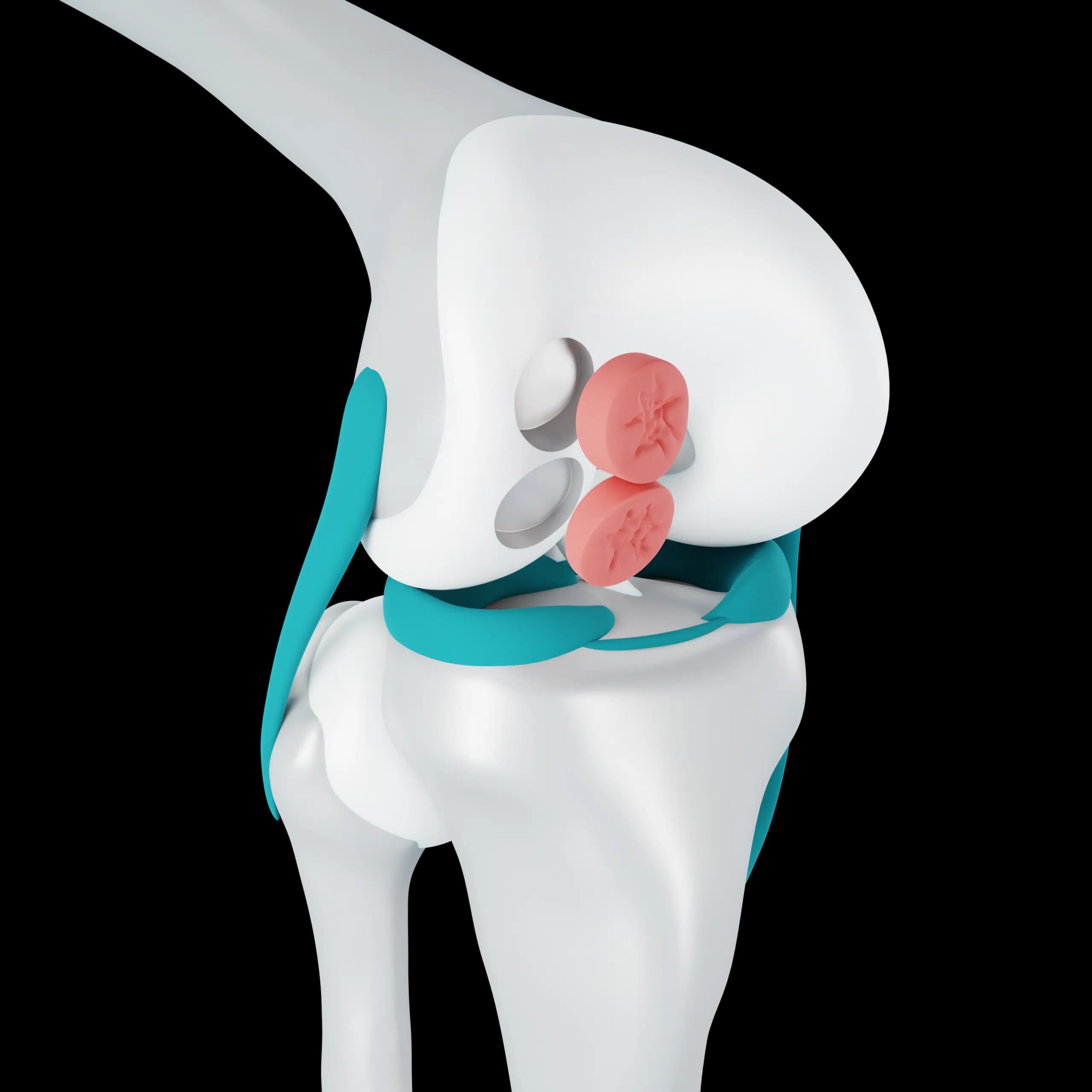
Osteo means bone and chondral means cartilage. The term covers a range: a bruised but intact area, a fragment that is cracked but still attached, a loose fragment, or a crater where the fragment has come out completely and may float in the joint as a loose body.
Common sites are the femoral condyles and, after a kneecap dislocation, the underside of the patella or the outer edge of the femur.
Why it matters
Because bone is involved, the lesion affects the support beneath the cartilage. An unstable fragment can catch or lock the knee and cause repeated swelling. Left alone, a large lesion in a weight-bearing area may lead to early arthritis.
In children and teenagers with open growth plates, stable lesions often heal with rest. In adults, healing is less predictable.
How it is assessed and treated
MRI shows the size, whether fluid tracks under the fragment, which suggests instability, and the state of the bone. A CT scan is sometimes added. Stable lesions may be treated with activity limits. Unstable but healthy fragments can often be fixed back with screws or pins. Where the fragment is lost or damaged, cartilage restoration techniques fill the defect.
Frequently asked questions
Is an osteochondral lesion the same as OCD?
Osteochondritis dissecans is one cause of an osteochondral lesion, mainly in young people. Injuries such as a kneecap dislocation can cause similar lesions in adults.
Will I need surgery?
Not always. Small, stable lesions, particularly in children, may heal with rest. Loose or unstable fragments and large defects usually need surgery.
Related