Glossary
Osteochondral autograft transfer (OAT)

Quick answer
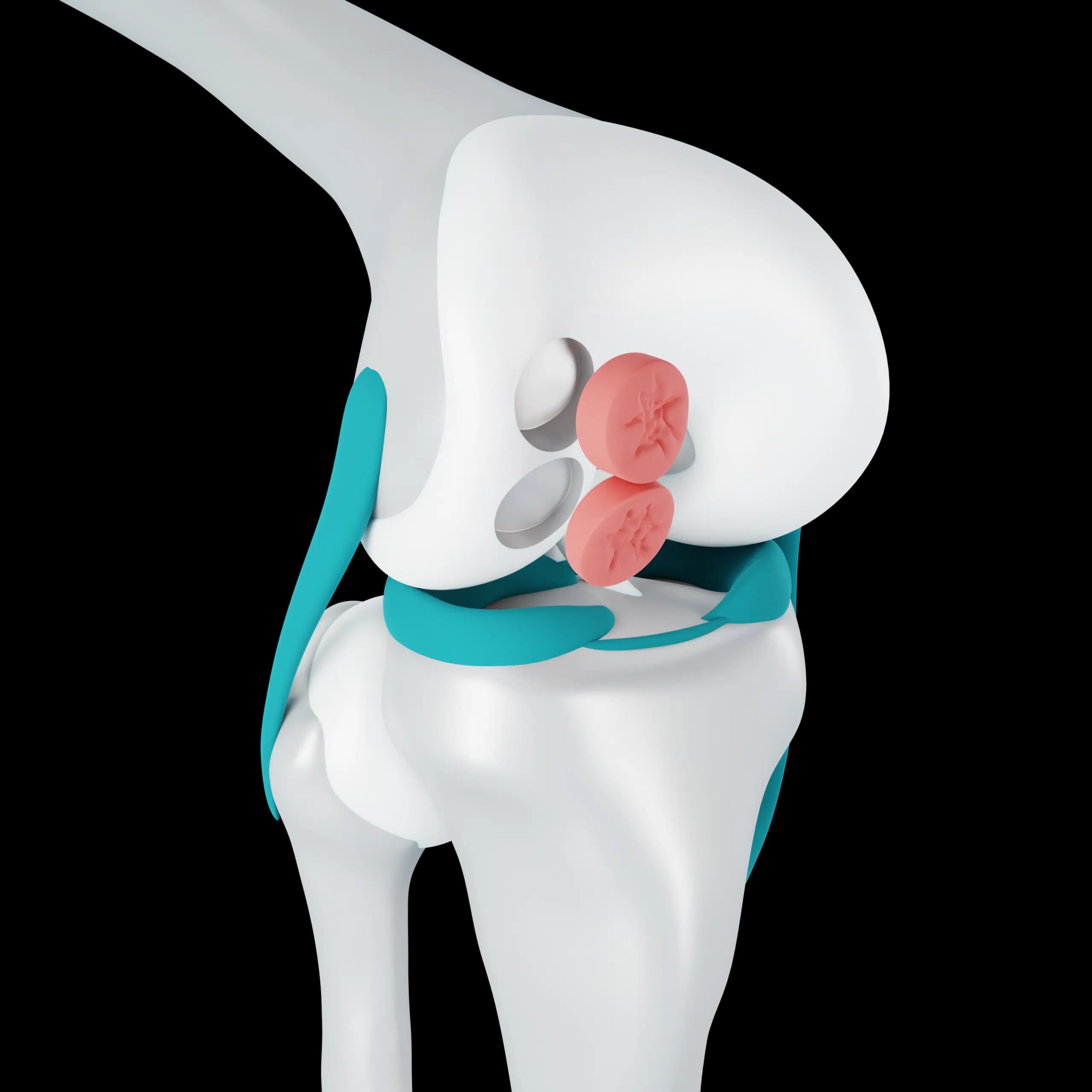
Osteochondral autograft transfer, or OAT, moves small cylinders of healthy cartilage with their underlying bone from a low-load edge of your knee into a damaged area, restoring true joint cartilage. Doha knee surgeon Dr. Pablo Gelber at Aman Hospital uses it for small, well-defined defects.
What it is
Using a hollow cutting tube, the surgeon removes the damaged cartilage and a short core of bone from the defect. A matching plug is taken from a part of the knee that carries little weight, such as the upper edge of the thighbone groove, and press-fitted into the hole so its surface sits flush with the surrounding cartilage.
When several smaller plugs are used side by side, the technique is sometimes called mosaicplasty.
Why it matters for patients
Unlike microfracture, the defect is filled with genuine hyaline cartilage that is already attached to living bone, and the bone part heals in reliably. This can give durable results for active patients with a single small lesion.
The limits are the amount of donor cartilage available and possible soreness where the plugs were taken. It is usually done arthroscopically or through a small open incision.
Who it suits
It is mainly for focal defects of roughly 1 to 2.5 square centimetres on the thighbone, often in younger, active people or after osteochondritis dissecans. It is not used for general wear. Leg alignment, ligament stability and the meniscus are assessed too, because they affect how the graft will fare.
Frequently asked questions
Does taking plugs damage the healthy part of my knee?
Donor sites are chosen from low-load areas and usually fill with repair tissue. Some patients have mild, temporary discomfort there, and significant long-term problems are uncommon with small grafts.
How long before I can run after an OAT procedure?
Running is usually introduced around several months after surgery, once imaging and strength allow. Your timeline depends on the size and site of the defect and the rehabilitation plan.
Related