Glossary
Mechanical symptoms

Quick answer
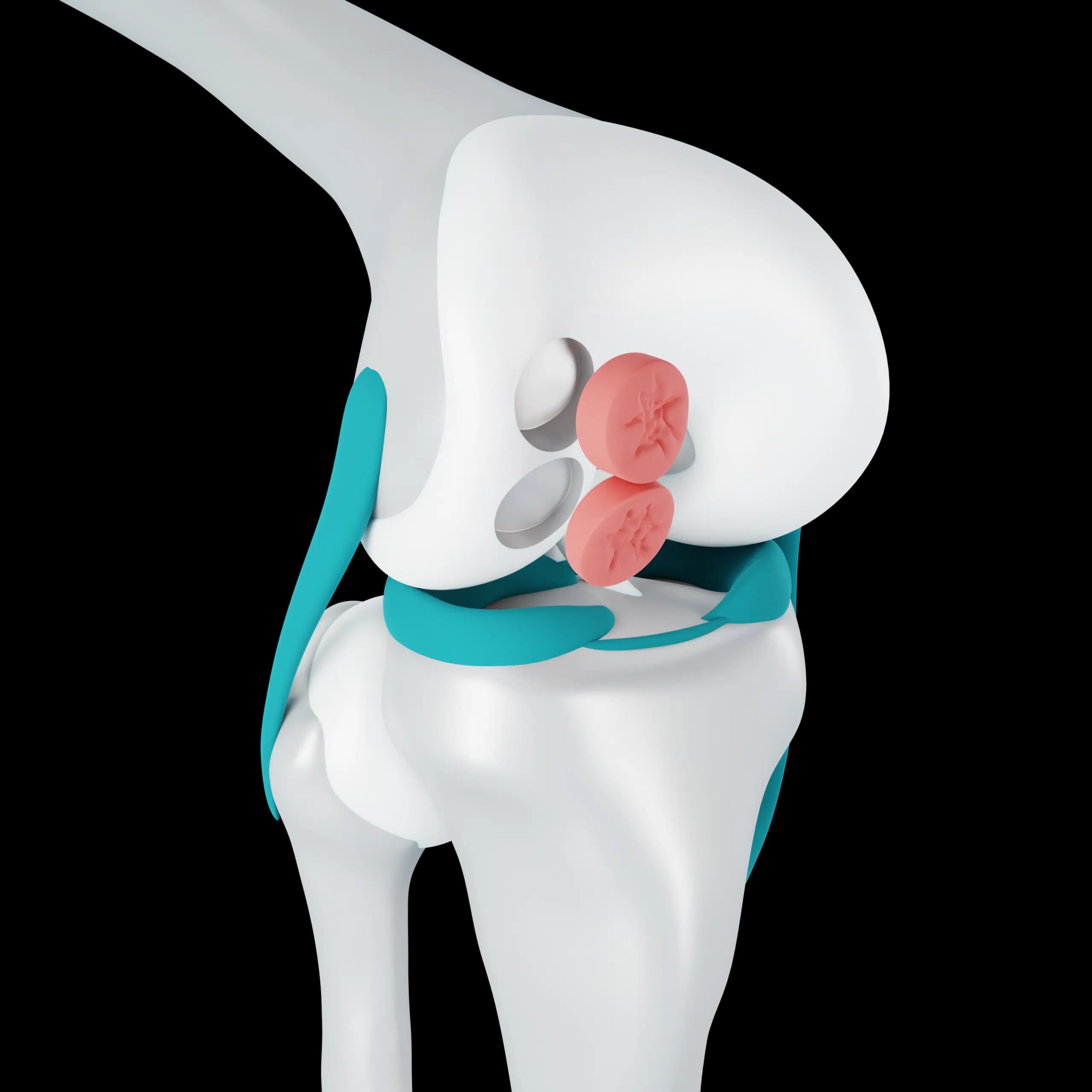
Mechanical symptoms are sensations that something is physically getting in the way inside the knee: locking, catching or a block to movement. They often point to a displaced meniscus tear or a loose body and can be a reason to consider surgery, explains Doha knee surgeon Dr. Pablo Gelber at Aman Hospital.
What the term covers
- True locking: the knee gets stuck, usually bent, and cannot straighten until it is wiggled free.
- Catching: a brief snag or hitch during movement.
- A block to full straightening that does not ease with time.
These differ from pseudo-locking, where pain or swelling makes the knee feel stiff without anything actually blocking it, and from painless clicking, which is common and usually harmless.
Why it matters
True mechanical symptoms suggest a structure is moving into the joint where it should not be. The commonest cause is a bucket-handle meniscus tear, in which a strip of meniscus flips into the middle of the knee. Loose bodies, unstable cartilage flaps and a cyclops lesion after ACL surgery can do the same.
A knee that is locked and will not straighten should be seen urgently, ideally within days, because a displaced meniscus fragment is more likely to be repairable early.
How it is assessed and treated
Dr. Gelber examines the range of movement and joint line, and an MRI usually shows the cause. Pseudo-locking from pain often settles with physiotherapy. True locking from a displaced meniscus or loose body usually needs arthroscopy to repair or remove the obstruction.
Frequently asked questions
Is clicking a mechanical symptom?
Painless clicking alone is usually not considered a mechanical symptom. Clicking with pain, catching or locking deserves assessment.
What should I do if my knee locks?
Do not force it. Rest and gently try to move it. If it stays stuck or keeps locking, arrange a prompt knee assessment.
Related