Glossary
Chondral defect

Quick answer
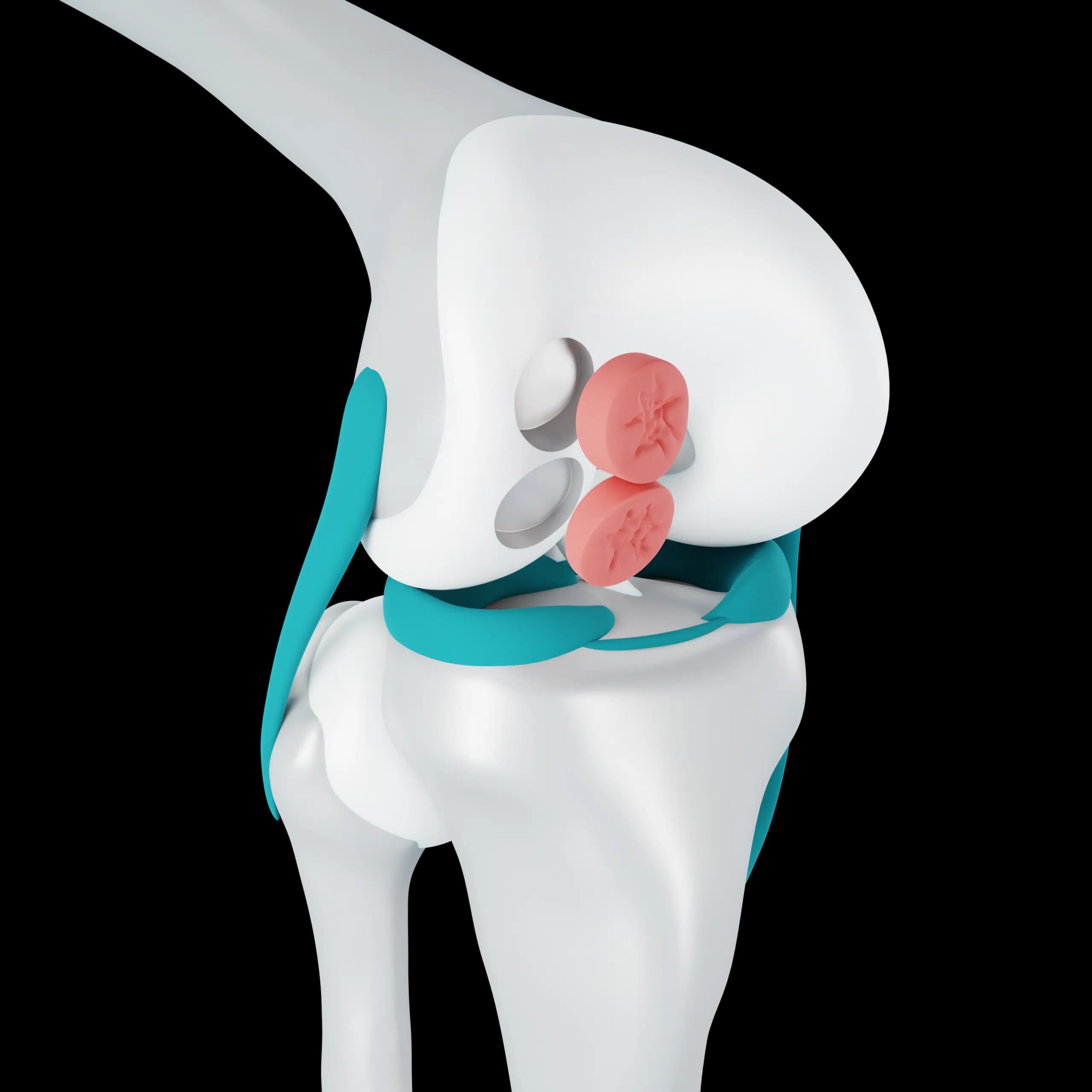
A chondral defect is an area where the smooth articular cartilage covering the end of a bone is damaged or missing, while the bone underneath stays intact. It can follow an injury or wear, and its size and depth guide treatment, as Doha knee surgeon Dr. Pablo Gelber explains at Aman Hospital.
What it describes
Chondral means cartilage. Articular cartilage is the slippery layer, a few millimetres thick, that lets the knee glide. A defect may be partial thickness, with some cartilage left, or full thickness, down to bone.
Reports often give a grade, from softening to fissures to exposed bone, and a size in millimetres. They also say where the defect is, such as the medial femoral condyle or the back of the kneecap.
Why it matters
Cartilage has no blood supply, so it does not heal well on its own. A single, well-defined defect in a younger knee behaves differently from widespread thinning in osteoarthritis. A focal defect can cause pain, swelling after activity and catching, and if large it can enlarge over time.
Many small defects cause no symptoms and are found incidentally on MRI.
How it is treated
Treatment depends on symptoms, size, location, age and alignment. Options range from physiotherapy and activity changes to injections, and for suitable symptomatic defects, cartilage restoration such as microfracture-based techniques, osteochondral grafts or cell-based repair. Correcting a malaligned leg or an unstable ligament is often part of the plan.
Frequently asked questions
Is a chondral defect the same as arthritis?
Not exactly. A defect is a localised patch of damage, while osteoarthritis is more widespread loss of cartilage with other changes. A defect can, however, be an early step towards arthritis.
Can damaged cartilage grow back?
Cartilage cannot regrow normally by itself. Surgical restoration techniques can fill a suitable defect with repair tissue or transplanted cartilage.
Related