Patient question
What is chondromalacia patella?
 Dr. Pablo GelberOrthopaedic Knee Surgeon

Quick answer
Chondromalacia patella means softening and roughening of the smooth cartilage on the back of the kneecap. It can cause aching behind the kneecap on stairs, squats and kneeling. It is common, ranges from mild to more advanced, and usually improves with strengthening, explains Dr. Pablo Gelber, knee surgeon at Aman Hospital in Doha, Qatar.
The cartilage behind the kneecap
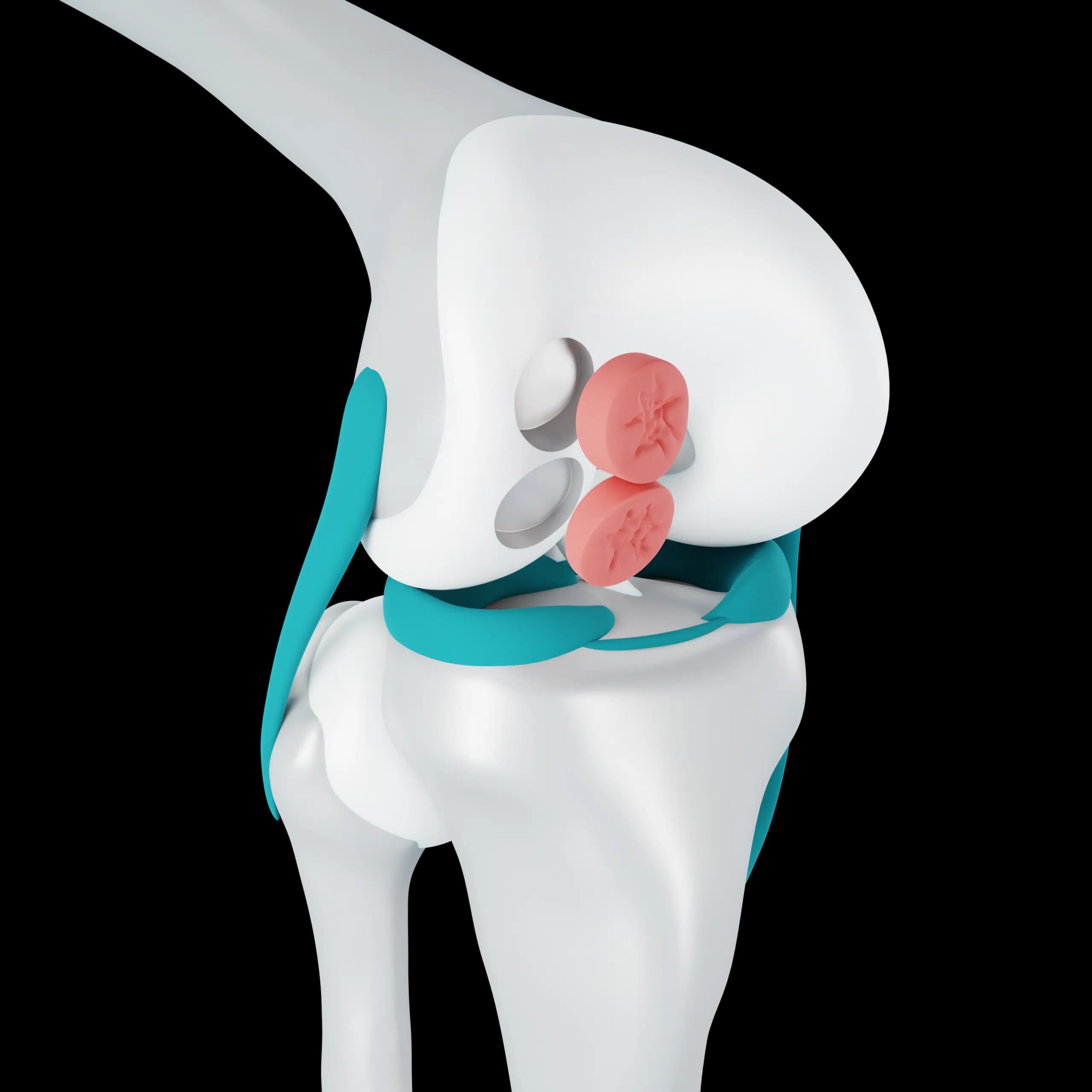
The back of the kneecap is covered by a layer of articular cartilage that lets it glide smoothly in its groove on the thigh bone. Healthy cartilage is firm and slippery. In chondromalacia, chondro meaning cartilage and malacia meaning softening, that surface becomes soft, swollen and in later stages fissured or frayed.
Cartilage has no nerve endings, so the pain comes from the bone beneath it and the surrounding tissues, which take more stress when the cartilage cushions less effectively.
Who gets it
It is seen in young athletes who load the knee heavily, in people whose kneecap tracks slightly off-centre or has dislocated before, after a direct blow to the front of the knee, and as part of early wear in middle-aged and older adults. Runners, footballers, padel players, people who kneel a lot at work and gym-goers who squat deeply are among the groups often affected.
How it differs from arthritis
Chondromalacia describes the state of the cartilage surface, from mild softening to deeper cracks. Osteoarthritis of the kneecap joint is a wider process with cartilage loss, bone changes and narrowing of the joint space. Advanced chondromalacia can overlap with early arthritis, but most people with mild changes do not go on to develop significant arthritis, especially if they keep the knee strong.
The outlook
Most people improve with a structured strengthening programme and sensible load changes over a few months. Surgery is reserved for selected cases with persistent symptoms and a clear structural cause, such as a loose cartilage flap or a badly tracking kneecap. A knee specialist in Doha can confirm the diagnosis and explain what your particular findings mean.
Frequently asked questions
Can chondromalacia affect both knees?
Yes. It is often found in both knees, although symptoms may be worse on one side.
Is chondromalacia patella a disability?
For the large majority of people, no. It may limit some activities for a time, but most return to work, prayer, sport and daily life fully.
Related