Glossary
Matrix-assisted chondrocyte implantation (MACI)

Quick answer
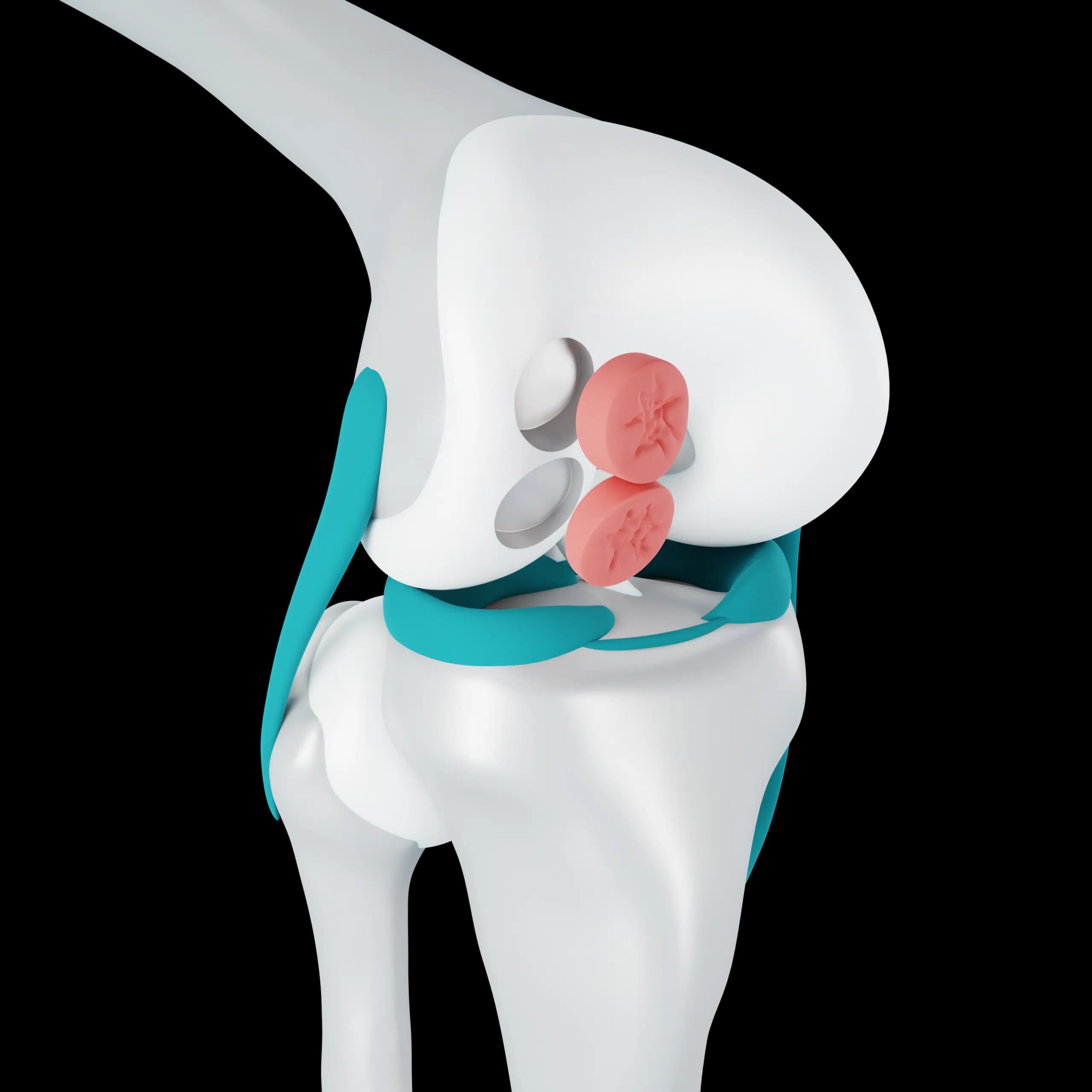
Matrix-assisted chondrocyte implantation is a two-stage cartilage repair: a small sample of your cartilage is taken, the cells are multiplied in a laboratory, and they are returned on a membrane that is fixed into the defect. In Qatar, Doha knee surgeon Dr. Pablo Gelber discusses it for larger cartilage defects.
What it is
At the first stage, a short arthroscopy confirms the defect and a tiny biopsy of healthy cartilage is taken from a low-load area. A specialised laboratory grows the cells, called chondrocytes, over several weeks and seeds them onto a collagen membrane.
At the second operation the defect is prepared, and the cell-loaded membrane is cut to shape and fixed in place, usually with a biological glue.
Why it matters for patients
The aim is repair tissue that is closer to normal hyaline cartilage than the fibrocartilage formed after microfracture, and it can treat larger defects than osteochondral plugs. Studies have shown durable results in suitable patients.
It does involve two procedures, a long and carefully staged rehabilitation over many months, and dependence on laboratory processing and regulatory availability. It is not offered everywhere.
Who it suits
It is mainly considered for younger, active adults with a symptomatic, isolated cartilage defect, often a few square centimetres in size, on the thighbone or kneecap, with stable ligaments, good alignment and no widespread arthritis. Other problems, such as malalignment, may need correcting at the same time.
Frequently asked questions
Is MACI available in Qatar?
Availability of cell-based cartilage treatments depends on laboratory access and local approvals at the time. Your surgeon can explain which cartilage options are currently available to you in Doha.
How long is recovery after cell implantation?
Recovery is long. Protected weight-bearing for several weeks is followed by staged loading, and return to impact sport often takes a year or more.
Related