Glossary
Articular cartilage

Quick answer
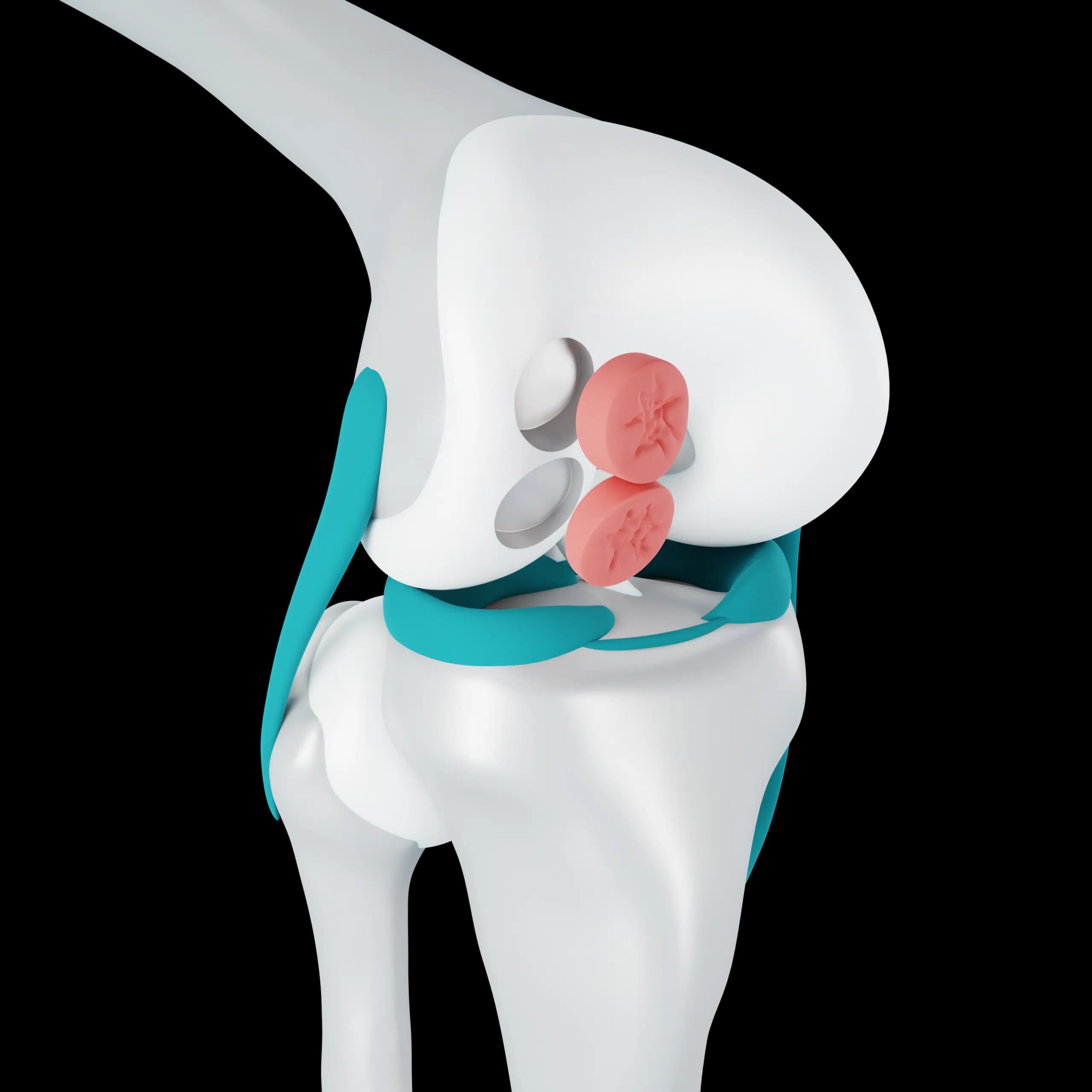
Articular cartilage is the smooth, glistening layer, a few millimetres thick, that covers the ends of the femur, tibia and the back of the kneecap. It lets the bones glide with very low friction and spreads load, says Dr. Pablo Gelber, knee surgeon at Aman Hospital in Doha.
What it is
Articular cartilage, also called hyaline cartilage, is made of water, collagen fibres and molecules that hold that water like a sponge. When you load the knee, fluid moves within it, cushioning the bone beneath. It has no blood vessels and no nerves, and gets its nutrition from the joint fluid as you move.
It is different from the menisci, which are separate C-shaped pads of tougher fibrocartilage. People often use the word cartilage for both.
Why it matters for patients
Because it lacks a blood supply, articular cartilage heals poorly. Damage can come from a single injury, such as a twist or a kneecap dislocation that knocks off a piece, or from gradual wear, which is the core of knee osteoarthritis. Cartilage itself does not hurt, so pain comes from the bone beneath, the inflamed lining and swelling.
Symptoms of a cartilage problem include aching with activity, swelling afterwards, grinding, and catching if a loose piece is present.
How it is examined and treated
Standing X-rays show cartilage loss indirectly as joint-space narrowing. MRI shows defects directly. Treatment depends on the size of the defect and your age and goals, ranging from weight management, strengthening and injections to arthroscopic procedures, cartilage restoration in suitable younger patients, and joint replacement for advanced arthritis.
Frequently asked questions
Can knee cartilage regrow?
Adult articular cartilage has very limited ability to regrow. Some surgical techniques encourage repair tissue or transplant cartilage into a defect, mainly for younger patients with localised damage.
Do supplements rebuild cartilage?
There is no good evidence that supplements rebuild worn cartilage. Some people feel they help symptoms, but exercise and weight management have stronger evidence.
Related