Article· 5 min read
Padel Knee Injuries: Causes, Warning Signs and Prevention
 Dr. Pablo GelberOrthopaedic Knee Surgeon
Quick answer
The most common padel knee injuries are meniscus tears, ACL tears, MCL sprains and patellar tendinopathy, usually caused by sudden twisting, lunging and stopping on a planted foot. Dr. Pablo Gelber, a knee surgeon in Doha, advises assessment if the knee swells quickly, gives way, locks or stays painful for more than two weeks.
Why padel is demanding on the knee
Padel has grown quickly in Qatar, with courts across Doha and players of every age and fitness level. It is a social, accessible sport, but its movement pattern places real demands on the knee. Rallies involve short sprints, quick changes of direction, deep lunges for low balls and sudden stops, often on artificial turf that grips the shoe.
When the foot stays planted while the body turns, the knee absorbs a twisting force. Repeated over many matches, or delivered suddenly in one awkward movement, this is how most padel knee injuries happen. Players who take up the sport later in life, or who play several times a week without building strength first, tend to be more vulnerable.
The four most common padel knee injuries
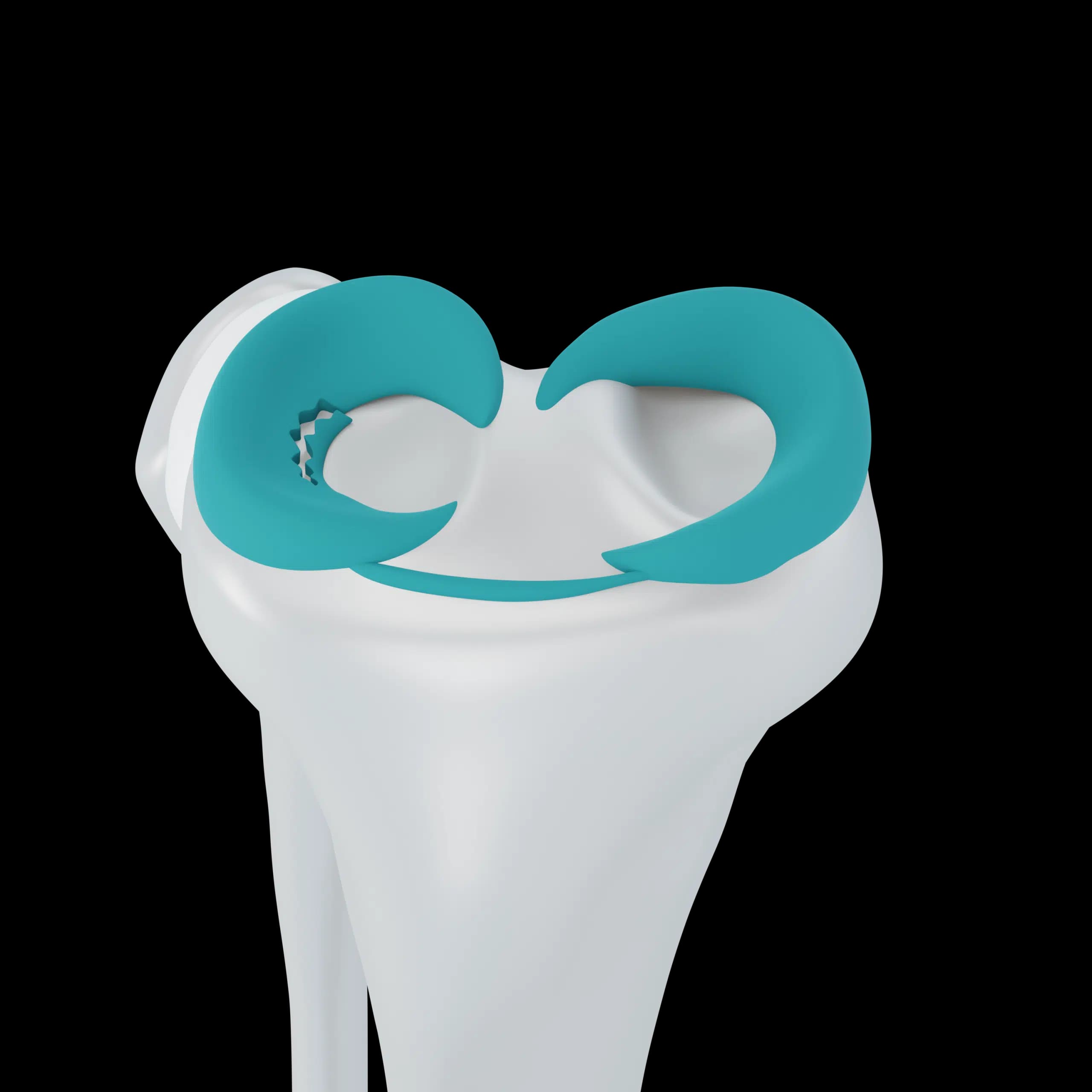
- Meniscus tear: the meniscus is a C-shaped cartilage cushion between the thigh bone and shin bone. A twist on a bent knee can tear it, causing pain along the joint line, swelling over the following day and sometimes catching or locking. In players over 40, tears can also develop gradually from wear.
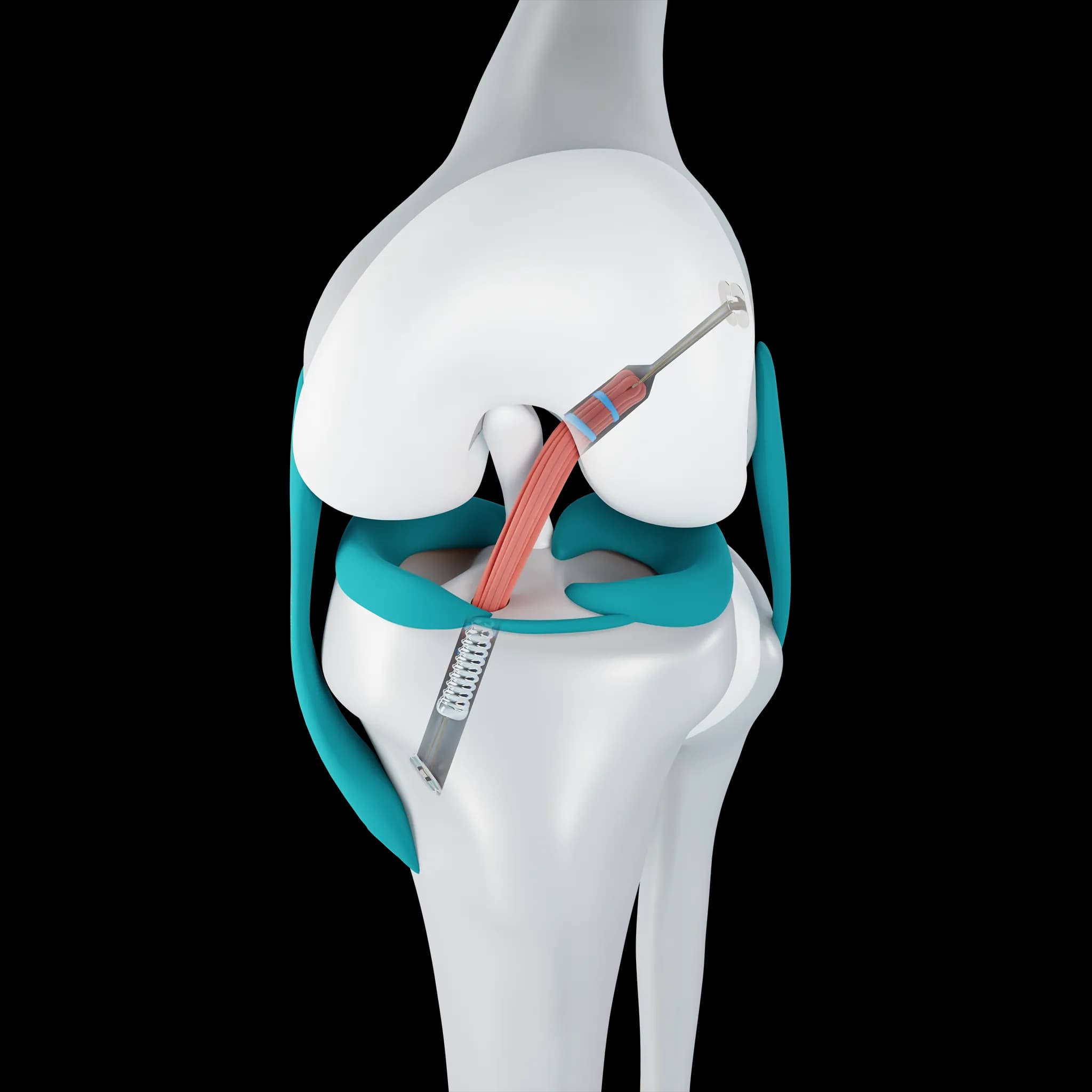
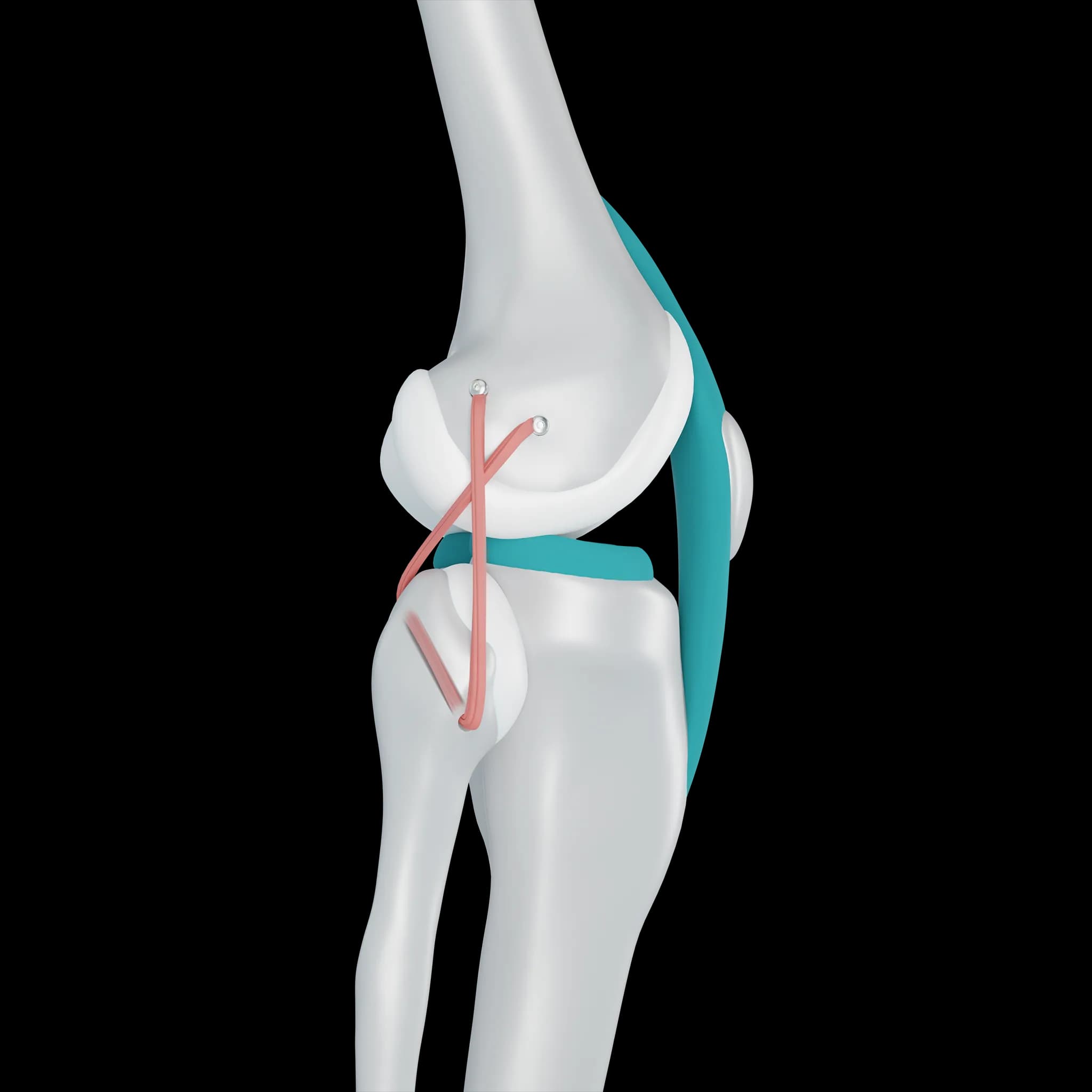
- ACL tear: the anterior cruciate ligament controls rotation and forward movement of the shin. It is usually injured in a non-contact pivot or awkward landing, often with a pop, rapid swelling and a feeling that the knee cannot be trusted.
- MCL sprain: the medial collateral ligament on the inner side of the knee is stretched when the knee buckles inwards, for example during a wide lunge. Most MCL sprains heal without surgery with a brace and physiotherapy.
- Patellar tendinopathy (jumper's knee): an overuse problem of the tendon just below the kneecap, linked to repeated explosive movements and sudden increases in playing time. Pain is usually felt at the start of play, eases as you warm up, and returns afterwards.
Warning signs you should not ignore
Some knee pain after a long match is normal and settles with rest. The following signs suggest a structural injury that deserves a proper examination:
- Swelling that appears within a few hours of an injury
- A pop or tearing sensation at the moment of injury
- The knee giving way or feeling unstable when turning
- Locking, where the knee gets stuck and cannot fully straighten
- Pain on the inner or outer joint line that persists for more than two weeks
- Difficulty bearing weight or walking normally
A locked knee that cannot straighten should be assessed promptly, as a displaced meniscus tear may need early treatment.
How to reduce your risk on the court
Many padel knee injuries can be reduced with simple habits. Prevention is most effective when it is regular rather than occasional.
- Warm up for ten minutes before playing, including light jogging, side steps and dynamic stretches
- Build leg strength off the court with squats, lunges, step-ups and hamstring exercises two or three times a week
- Practise balance and landing control, keeping the knee in line with the toes rather than collapsing inwards
- Wear padel-specific shoes with suitable soles for the court surface and replace them when worn
- Increase playing time gradually, especially when returning after a break or after Ramadan
- In Doha's warmer months, play early morning or evening, or choose indoor air-conditioned courts, and drink water regularly, as fatigue and dehydration affect coordination
When to see a knee surgeon
Not every padel injury needs surgery, and many improve with rest, physiotherapy and a gradual return to play. Seeing a specialist early helps you understand which injury you have and avoid making it worse.
At Aman Hospital in Doha, Dr. Pablo Gelber assesses padel injuries with a clinical examination and, where needed, an MRI scan. Treatment depends on the type of tear, your age, your activity level and your goals. A meniscus tear that can be repaired, or an ACL tear in a player who wants to return to pivoting sport, may benefit from surgical treatment, while MCL sprains and tendinopathy are usually managed without an operation. The right plan always depends on an individual examination.
Frequently asked questions
Can I keep playing padel with a sore knee?
Mild soreness that settles within a day or two is common. If your knee swells, gives way, locks or hurts for more than two weeks, stop playing and have it examined, because continuing on an unstable knee can damage the meniscus and cartilage.
Is padel worse for the knees than tennis?
Both sports involve quick direction changes and twisting. Padel is played on a smaller court with many short, sharp movements and lunges, so the knee is loaded in a similar way. The risk depends more on your conditioning, warm-up and playing volume than on the sport itself.
Do I need an MRI for a padel knee injury?
Not always. Many injuries can be diagnosed with a careful examination. An MRI is usually recommended when a meniscus or ligament tear is suspected, when the knee locks or gives way, or when symptoms do not improve with initial treatment.
How long after a meniscus or ACL injury can I return to padel?
It depends on the injury and treatment. A minor sprain may allow return within weeks, a meniscus repair usually takes several months, and ACL reconstruction typically requires around nine months or more before returning to pivoting sports.
Related